Common Roof Problems That Lead to Costly Repairs
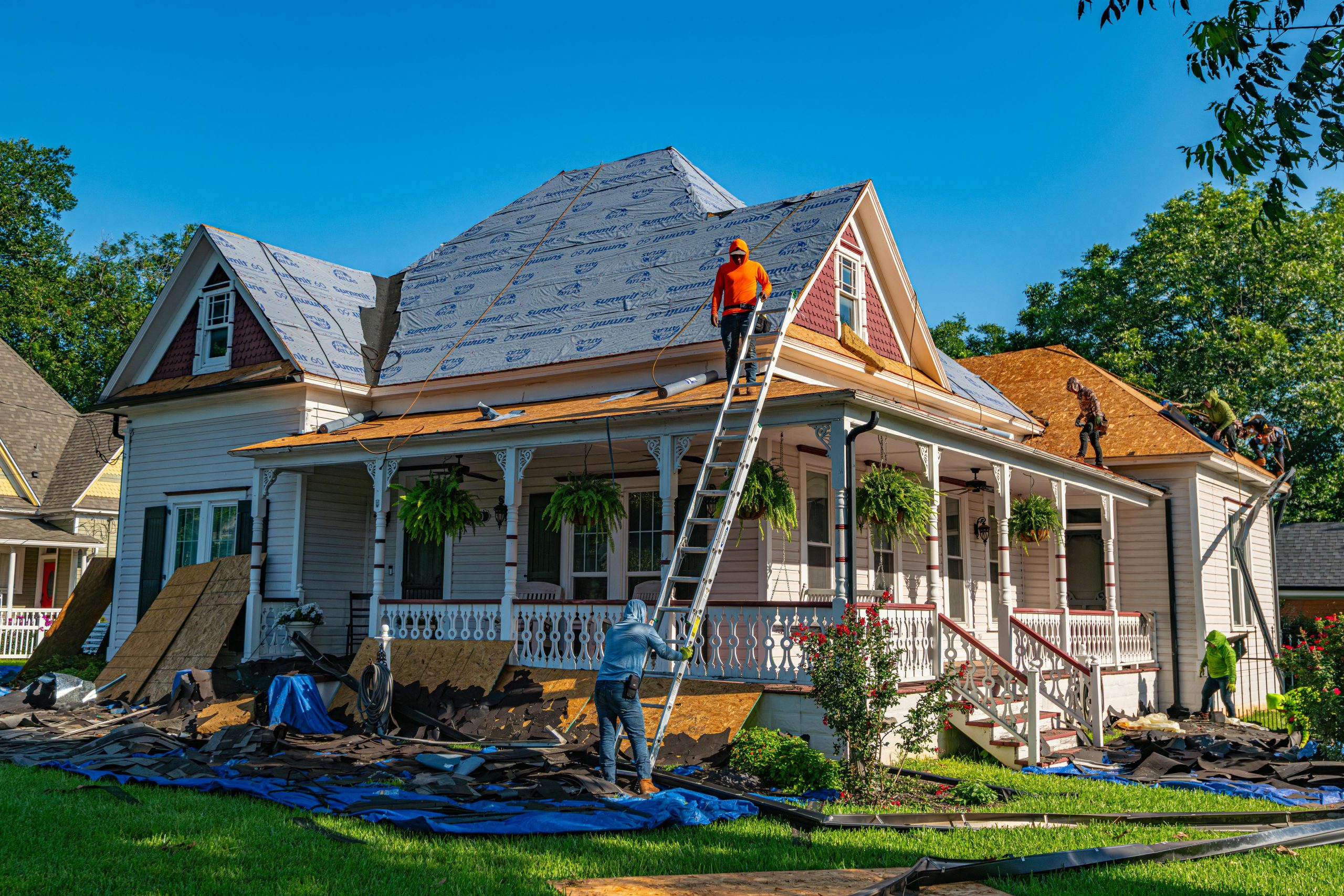
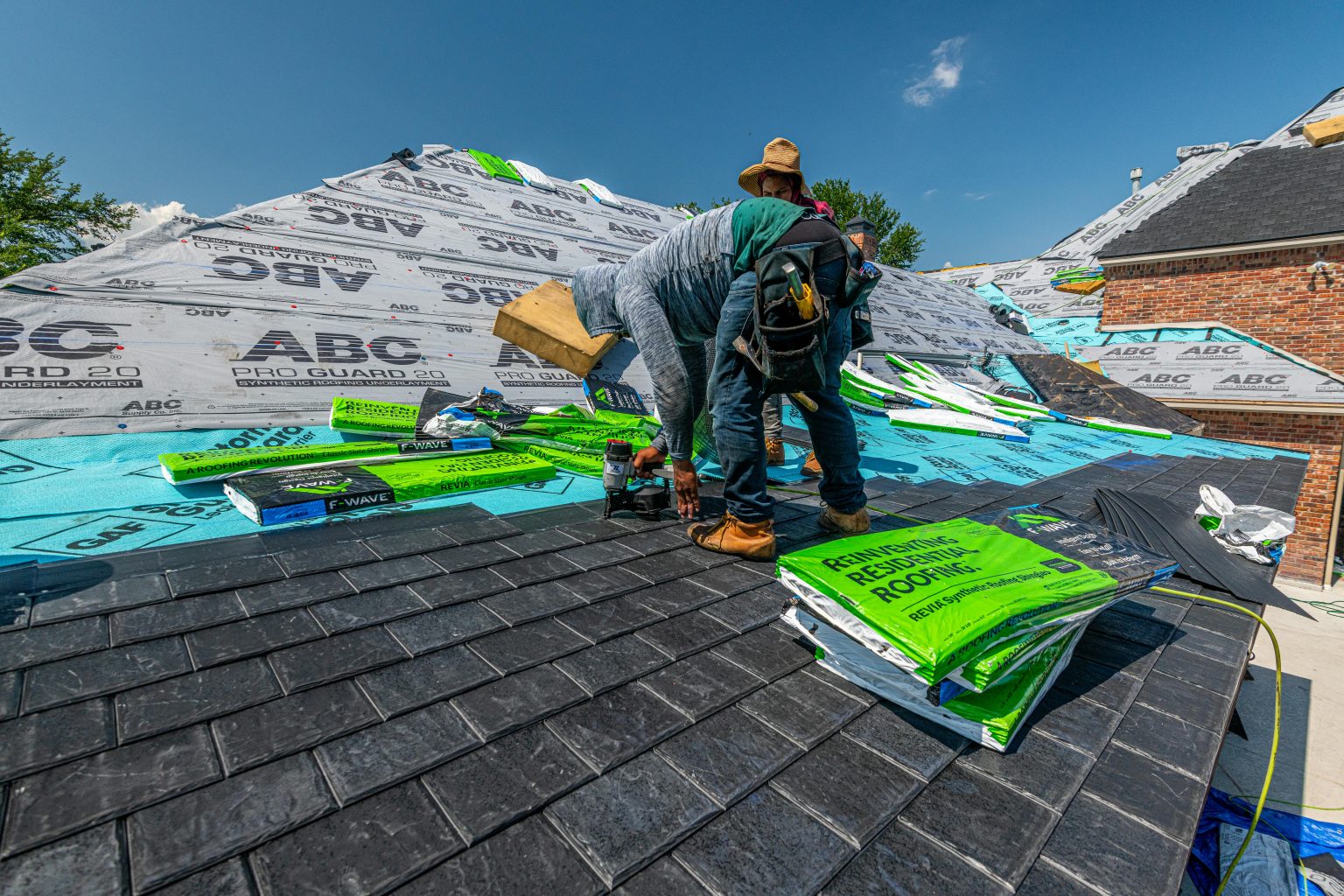

A roof rarely fails all at once. In most cases, the expensive repair bill arrives after months, sometimes years, of smaller warning signs that were ignored, misunderstood, or hidden from view. Homeowners often notice the problem only when water shows up on a ceiling, shingles appear in the yard after a storm, or a contractor points out rot during an unrelated inspection. By then, what could have been a modest fix has turned into damaged decking, soaked insulation, mold, interior staining, and in some cases structural work.
That pattern is what makes roof issues so costly. The roof system is exposed every day, but many of its weakest points are not obvious from the ground. A small failure around a vent pipe or flashing joint can let in just enough water to cause slow, steady damage. It does not take a dramatic leak to create a serious problem. A few ounces of water entering in the right spot, repeatedly, can ruin sheathing, invite decay, and compromise the life of the entire assembly.
Homeowners who understand the most common failure points make better decisions about maintenance, inspections, and timing. That matters whether the roof is five years old or twenty-five, whether it is asphalt shingle, metal, tile, or low-slope membrane. Materials differ, but the same principle holds across the board: neglected minor defects are what drive major Roof Repairs.
Why roof problems get expensive so quickly
Roofs sit at the top of the building envelope, and that gives them unusual power to affect everything below. When water gets in, gravity does the rest. Moisture can move from the roof deck into insulation, down rafters, into wall cavities, and eventually onto drywall, flooring, trim, and electrical components. The original leak source may be small, but the damage trail can be wide.
There is also the issue of timing. Roofing problems tend to worsen during weather events, which is exactly when repairs are harder to schedule and more expensive to perform. A contractor responding after a windstorm or heavy rain may be dealing with emergency demand, wet conditions, and temporary mitigation rather than a clean, controlled fix. If the roof is already vulnerable, one rough season can accelerate years of wear in a matter of weeks.
Another factor is hidden damage. Roofing materials often cover wood decking, underlayment, fasteners, and flashing components that cannot be fully evaluated until part of the roof is opened. It is common for a repair estimate to grow once the top layer comes off and the real condition underneath becomes visible. That is not necessarily dishonesty. It is the nature of layered building systems.
Damaged or missing shingles
On asphalt roofs, shingles are the first line of defense and one of the most frequent trouble spots. Wind can lift them, crack the seal strip, or tear them away entirely. Hail can bruise the mat. Sun exposure can dry them out and make them brittle. Once shingles lose their integrity, water and ultraviolet exposure reach the underlayment and decking much more easily.
Many people underestimate how serious a few missing shingles can be. If the exposed section is on a simple field area and addressed quickly, the repair may be straightforward. If the loss occurs near a valley, ridge, dormer, or roof edge, it can open the door to much broader moisture intrusion. I have seen roofs where a small patch of wind damage was left untouched because it did not leak right away. Six months later, the sheathing beneath had softened enough that a much larger section had to be replaced during repair.
Age complicates this issue. Older shingles may not match, may not reseal properly after being lifted, and may crack during repair attempts. That is one reason localized Roof Repairs on aging asphalt roofs can become a difficult judgment call. The question is not just whether the visible damage can be fixed, but whether the surrounding material still has enough life left to justify patching.
Failed flashing at roof penetrations and transitions
If I had to pick one category responsible for a disproportionate share of leaks, it would be flashing failures. Shingles shed water across broad Roof Repairs areas, but flashing protects the details, and details are where roofs tend to fail. Chimneys, skylights, vent pipes, wall intersections, valleys, and step transitions all rely on properly installed metal or membrane flashing to redirect water.
Flashing problems come from several sources. Sometimes the material corrodes or separates over time. Sometimes caulk is used as a shortcut where a proper metal overlap should have been installed. Sometimes flashing was never integrated correctly with the roofing material in the first place. A common example is step flashing along sidewalls. When roofers or siding installers get careless, water can slip behind the wall cladding and into the structure. Homeowners may notice staining near the ceiling edge long before they ever suspect the actual source.
Chimneys are another repeat offender. Mortar joints crack, counterflashing pulls loose, and water enters at the intersection between masonry and roof covering. The leak may only show up during wind-driven rain, which makes it even harder to diagnose. People often assume the roof field is the problem because that is the largest visible surface, but leaks tied to masonry transitions are often more stubborn and more invasive.
The cost climbs fast when flashing issues are ignored because water entry at Roof Repairs penetrations tends to be concentrated. Instead of lightly wetting a wide area, it can repeatedly soak the same framing and sheathing, which accelerates rot. By the time the stain appears indoors, the repair may involve roofing, carpentry, drywall, and sometimes masonry work as well.
Clogged or poorly designed drainage
Not every roof problem begins with the covering itself. Drainage failure is another common source of expensive damage, especially on low-slope roofs and houses with complex rooflines. Water is supposed to move off the surface quickly. When gutters overflow, valleys trap debris, scuppers clog, or low spots hold standing water, the roofing system stays wet longer than it was designed to.
Standing water, often called ponding, is especially hard on low-slope materials. Even when the membrane is technically waterproof, prolonged standing water stresses seams, exposes weak spots, and increases the chance that tiny imperfections will become leaks. On steep-slope roofs, backed-up gutters can push water under the lower edge of shingles or behind fascia boards. In colder regions, clogged drainage can contribute to ice damming, which is a separate but related problem.
I once looked at a home where the owner thought the roof had failed after only ten years. The shingles were not the main issue. The valleys were packed with leaves, the downspouts discharged poorly, and overflowing gutters had soaked the fascia and roof edge for several seasons. The roof needed repair, yes, but much of the cost came from drainage neglect rather than defective roofing material.
Good drainage is not glamorous, which is why it gets overlooked. Yet some of the most preventable Roof Repairs begin with nothing more dramatic than leaves, granules, and branches collecting where water is supposed to flow.
Ice dams and freeze-thaw damage
In cold climates, winter creates its own category of roof trouble. Ice dams form when heat escaping from the house warms the upper roof surface, melts snow, and allows water to run down to colder eaves where it refreezes. That ridge of ice traps additional meltwater behind it. The backed-up water can then work its way beneath shingles and into the house.
The visible ice at the edge gets most of the attention, but the root issue is usually a combination of heat loss, inadequate insulation, air leakage, and ventilation imbalance. That is why simply removing the ice does not solve the whole problem. It may reduce immediate risk, but unless the building science issues are addressed, the cycle is likely to return.
Freeze-thaw movement also affects flashing, fasteners, sealants, and masonry components. Tiny openings widen over time as water enters, freezes, expands, and repeats the process. Homeowners sometimes notice the result in spring, when the roof begins leaking after months of winter stress. By then the damage may include stained ceilings, wet attic insulation, mold growth, and deteriorated wood at the eaves.
These are among the most frustrating repairs because the roof covering can look reasonably intact from the ground. The real failure may be hidden in the attic plane, the soffit area, or the interface between roofing and insulation strategy.
Poor attic ventilation and trapped moisture
A roof does not work in isolation from the attic. Ventilation and moisture management below the roof deck affect how long the materials above last. When warm, humid air from the living space enters the attic and cannot escape properly, condensation can form on the underside of the roof sheathing. Over time that moisture can stain wood, rust nails, degrade insulation performance, and support fungal growth.
This problem is often misdiagnosed as a roof leak. The homeowner sees drips or dark patches and assumes rain is getting in, when in fact the moisture is being generated from inside the house. Bathrooms vented into the attic instead of outdoors are a classic example. So are recessed lights, attic hatches, and duct penetrations that allow indoor air to rise into cold attic space during winter.
Poor ventilation also increases heat buildup in summer. Excess heat can shorten the life of asphalt shingles and contribute to premature aging. While manufacturers and contractors sometimes overstate ventilation as a cure-all, it remains a real factor in roof durability. The challenge is balance. Intake and exhaust must work together, and the attic floor should be air sealed so the ventilation system is moving exterior air, not conditioned indoor air.
When trapped moisture goes unaddressed, roof repair costs rise because the damage is not confined to one leak point. Entire sections of decking may need replacement, and the underlying moisture source must be fixed or the new roof will inherit the same problem.
Improper installation
Many costly roofing failures begin on day one. A roof can have quality materials and still perform poorly if the installation was rushed or sloppy. Misplaced nails, inadequate fastening, poor shingle alignment, missing underlayment details, incorrect flashing integration, and shortcuts around penetrations all reduce the roof's ability to handle normal weather.
Improper nailing is one of the most common examples. If nails are too high, too few, angled, or driven through weak parts of the shingle, wind resistance drops sharply. The roof may look fine until the first serious storm. Then sections lift or tear, and the owner blames the weather when the real issue was workmanship.
Manufacturer instructions matter here more than many people realize. Roofing systems are designed with specific overlap patterns, fastening zones, starter requirements, and flashing details. Deviating from those standards may not cause an immediate leak, but it often shortens service life and can complicate warranty claims later.
What makes installation defects so expensive is that they often affect large areas, not isolated spots. A single bad flashing detail can be localized. An incorrectly nailed roof or missing underlayment at critical transitions may require widespread tear-off to correct properly. Homeowners usually discover this only after recurring leaks have already caused interior damage.
Aging sealants and exposed fasteners
Roofs contain many small components that deteriorate long before the main surface appears worn out. Pipe boot collars crack. Sealants dry and shrink. Fasteners back out or lose gasket integrity. Metal panels may develop movement at joints. Satellite mounts, solar attachments, and old equipment penetrations can all create future leak points if not detailed carefully.
These are the kinds of issues that often tempt people into do-it-yourself patching with roofing cement or caulk. Sometimes that buys a little time. Often it creates a bigger diagnostic mess later. Smearing sealant over a problem does not correct bad flashing geometry, trapped water, or substrate decay beneath the surface.
There is a place for sealant in roofing, but it should support the system, not replace proper detailing. A vent boot that has split from UV exposure usually needs replacement, not another layer of sealant around the crack. An exposed fastener on a metal roof may need retightening or replacement with the correct fastener and washer, but if many fasteners are failing at once, the issue may be broader than simple maintenance.
Because these components are small, they are easy to ignore. Yet they are responsible for a surprising number of leaks that end in ceiling repair, insulation replacement, and mold remediation.
Storm damage that looks minor from the ground
After a storm, many roofs appear normal from the driveway. That visual impression can be misleading. Hail may bruise shingles without punching obvious holes. Wind may loosen tabs without removing them. Flying debris may dent metal flashing or puncture membrane roofing in spots that are difficult to see. The roof might not leak immediately, which leads owners to assume everything is fine.
The trouble comes later. A hail bruise can break down the protective surface of a shingle and shorten its life. Lifted shingles can lose their seal and become more vulnerable during the next wind event. Small punctures in membrane roofs can admit water slowly, soaking insulation long before the interior shows symptoms.
Prompt inspection after severe weather is one of the few practical ways to catch this kind of damage before it evolves into major Roof Repairs. That does not mean every storm requires panic or a full replacement. It means hidden damage should not be ruled out just because the roof still looks tidy from street level.
When a repair becomes bigger than expected
Roof repair estimates often surprise homeowners because the visible symptom is only the tip of the problem. A water stain on a bedroom ceiling might trace back to failed flashing two slopes away. A leak around a skylight might reveal rotten curb framing. A simple shingle patch might expose brittle surrounding material that cannot be lifted without breakage.
There are a few conditions that tend to push a modest repair into a costly one:
- Water has been entering for a long time without obvious interior signs.
- The roof has multiple layers or previous patchwork that hides the original assembly.
- The damaged area is near complex transitions such as valleys, chimneys, or skylights.
- The roof covering is old enough that matching and blending repairs are difficult.
- The leak has reached insulation, drywall, trim, or electrical components below.
Those factors do not guarantee a major bill, but they are common predictors. Contractors who spend time investigating the full moisture path usually provide more accurate guidance than those who quote a price based only on the visible stain or missing shingle count.
The value of early attention
The most cost-effective approach to roofing is rarely dramatic. It is steady observation, timely maintenance, and realistic decisions about age and risk. A homeowner does not need to become a roofing expert, but it helps to pay attention after storms, keep drainage paths clear, and act when signs appear instead of waiting for confirmation in the form of an active ceiling leak.
One practical rule is to treat changes, not just failures, as meaningful. Curling shingles, granule loss in gutters, rusted flashing, damp attic insulation, and recurring stains each deserve a closer look. None automatically means replacement is due, but each can signal the beginning of a much more expensive chain of events.
Another useful mindset is to think in systems rather than surfaces. The roof covering matters, but so do flashing details, attic conditions, ventilation, drainage, and the quality of prior work. That broader view often explains why two houses with the same shingles and the same age can have very different repair histories.
Roofing problems become costly when they are allowed to stay small for too long. The homeowners who spend less over time are usually not the lucky ones. They are the ones who catch failure early, ask good questions, and understand that a roof is easier to preserve than to rescue.
Royalty Exteriors
151 NJ-10 Suite 103A
Succasunna, NJ 07876, United States
+1 973-333-7234
FAQ About Roof Repairs
Can you fix a roof leak without replacing the whole roof in Succasunna,NJ?
Often, a localized leak can be repaired without replacing the entire roof, depending on its cause and the condition of the surrounding materials. Damaged shingles, flashing, or a roof penetration may need targeted work. Royalty Exteriors offers roof repairs for leaks, storm damage, and shingle issues. An inspection is needed to determine the appropriate scope.
What is considered a minor roof leak?
A leak may be considered minor when the damage is limited to a small area and the surrounding roofing remains sound. A small ceiling stain alone does not establish the extent of the problem because water can travel before becoming visible. Have the source and any concealed damage assessed promptly.
Is it better to repair or replace a leaky roof?
The decision depends on the roof's age, overall condition, leak source, extent of damage, and history of previous repairs. A localized problem on an otherwise serviceable roof may be suitable for repair. Widespread deterioration or recurring leaks may justify considering replacement. Ask for an inspection and a written explanation of the recommended work before deciding.
Ends · CAIDENOVLI301