How Regular Inspections Reduce the Need for Major Roof Repairs

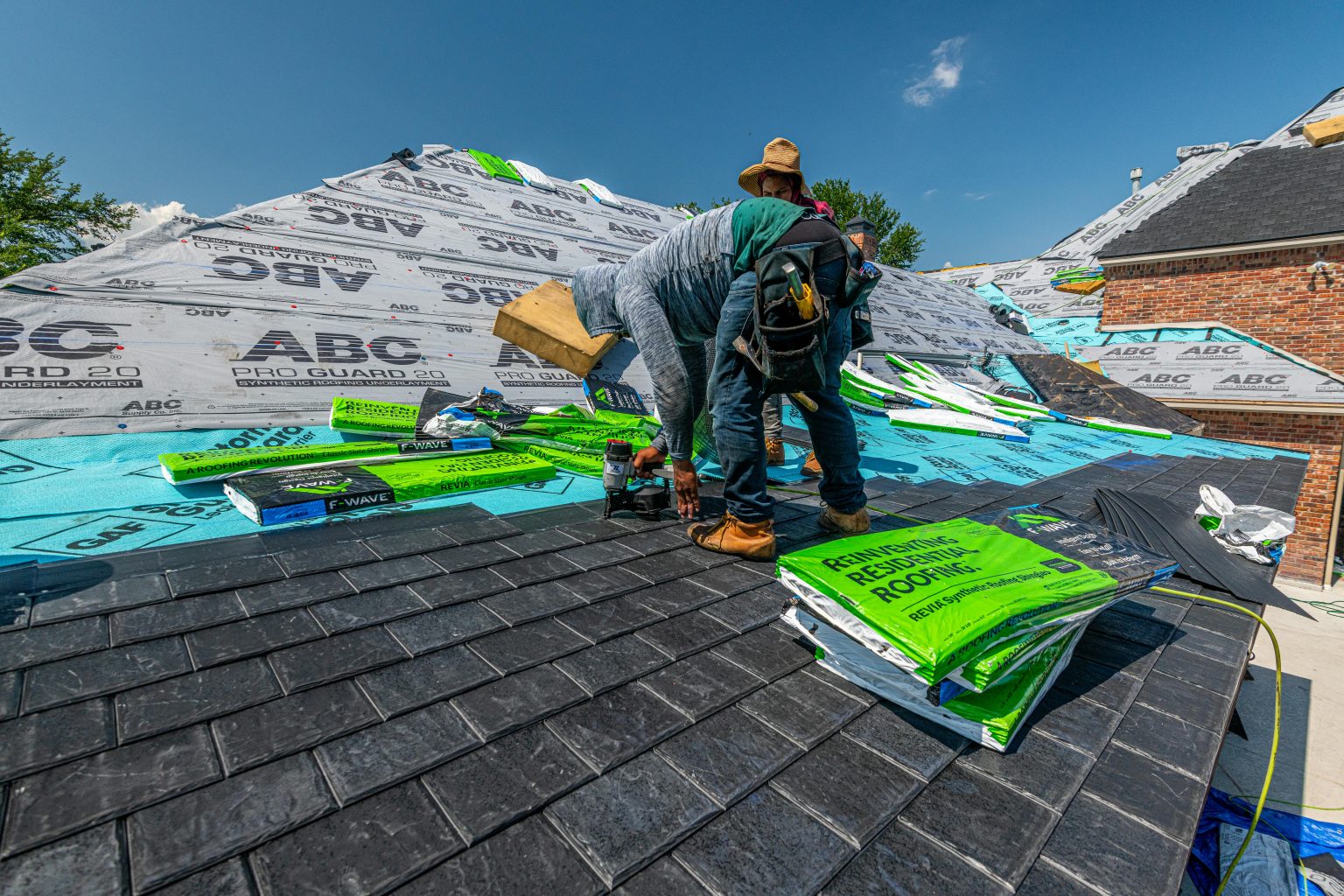
A roof rarely fails all at once. Most serious roofing problems start small, stay quiet for a while, and then turn expensive. A lifted shingle after a windstorm, a bit of flashing that has started to separate, a clogged valley that keeps water sitting where it should drain, these are not dramatic issues on day one. Left alone, they become the kind of problems that lead to interior leaks, rotten decking, mold, insulation damage, and the sort of major Roof Repairs that homeowners dread.
That pattern is the real reason regular inspections matter. They do not make a roof immortal, and they do not replace good materials or quality installation. What they do is catch manageable defects while they are still manageable. In practice, that often means the difference between a modest service call and a full section tear-off.
Anyone who has spent time around residential or commercial roofing sees the same cycle repeat. The roofs that stay in better shape over time are usually not the newest or the most expensive. They are the ones that get looked at consistently, especially after harsh weather and at seasonal transition points. Attention, more than luck, keeps repair costs down.
Small defects are rarely just small defects
Roofs are systems, not just surfaces. Shingles or membrane panels get the most attention because they are visible, but the performance of the roof depends just as much on flashing, underlayment, fasteners, sealants, drainage paths, attic ventilation, and the structure beneath. When one part slips, stress tends to spread.
Take a cracked pipe boot, for example. On paper, that sounds minor. Replacing one is routine work. But if the crack lets water track around the vent over several months, the moisture can soak the decking, stain the ceiling, dampen insulation, and even create hidden mold in the attic. By the time someone notices a brown spot indoors, the repair bill no longer reflects a simple cracked boot. It reflects carpentry, drying, interior patching, and sometimes a wider roof repair if adjacent materials have aged unevenly.
The same is true at roof edges and penetrations. Chimneys, skylights, plumbing vents, and wall intersections are common leak points because they interrupt the clean flow of water. The field of the roof may still look intact, but a failed seal or loose flashing at one transition can cause water entry long before the main roofing material appears worn out. Regular inspections target those vulnerable areas before symptoms become obvious inside the building.
That is one of the least appreciated realities of roof maintenance. Visible damage and active leaks are often late-stage signals. Early-stage trouble is quieter. Granule loss in one area, a subtle sag along a gutter line, soft sealant around flashing, a little ponding after rain, these are the clues that matter. A trained eye picks up those clues and prevents escalation.
Time is what turns maintenance into major repair
There is a financial difference between fixing damage and managing deterioration. Fixing damage usually means you are reacting after the roof has already been compromised. Managing deterioration means you are intervening while the problem is still localized. Inspections make that second approach possible.
Consider how water behaves. It almost never stays where it enters. It follows gravity, framing, nail shanks, seams, and insulation. A leak that begins near a valley might show up ten feet away on an interior ceiling. That disconnect is one reason property owners underestimate roof issues. They see one stain and assume the damage is limited to that spot. An inspection often reveals that the source and the visible symptom are in different places entirely.
In older homes, especially those with multiple roof planes or additions built at different times, small drainage issues can compound fast. One low-slope section may collect debris from a nearby tree. That debris slows water movement, moisture lingers, and materials stay wet longer after each storm. Then freeze-thaw cycles widen tiny cracks, fasteners loosen, and the next rain finds a way in. None of those steps is catastrophic on its own. Together, they create the conditions for expensive Roof Repairs.
The timeline matters too. A defect discovered within a week of a storm is one kind of repair. The same defect found nine months later, after a full season of heat and rain, is a different job entirely. Inspection narrows that gap. It reduces the amount of time a problem has to grow.
What a useful roof inspection actually looks for
A meaningful roof inspection is not a quick glance from the driveway. It is a deliberate review of the roof surface, the drainage components, the penetrations, and the spaces below the roof where evidence often appears first. Depending on the roof type, the inspector may be looking for signs as subtle as membrane shrinkage, popped fasteners, open laps, blistering, displaced ridge caps, or mastic that has cured past the point of flexibility.
On an asphalt shingle roof, common findings include missing shingles, creased tabs from wind uplift, exposed nail heads, failing pipe collars, rusted flashing, and localized granule loss. On metal roofs, attention shifts toward fastener back-out, sealant failure at seams, movement around penetrations, and corrosion at cut edges or dissimilar metal contact points. Flat and low-slope systems bring their own set of concerns, especially standing water, punctures, membrane separation, and blocked scuppers or drains.
The attic, when accessible, often tells the clearest story. Water staining on the underside of the decking, darkened rafters near penetrations, damp insulation, or a musty smell can reveal trouble that has not yet reached the finished living space. Poor ventilation may show up as excessive heat, condensation, or uneven aging of materials from below. That matters because not every roof issue starts from weather exposure. Some major Roof Repairs begin with trapped moisture from inside the house.
A good inspector also looks at the broader context. Are tree limbs abrading the surface? Are gutters pulling away and allowing runoff to back up at the eaves? Has a previous repair been patched in a way that may not last through another season? These are judgment calls as much as observations, and they are where experience shows.
Seasonal inspections catch different problems
Roofs do not age in a straight line. They respond to stress in cycles, and different seasons reveal different weaknesses. That is why a regular inspection schedule works better than waiting for a single annual check.
Spring often exposes what winter did. Freeze-thaw movement can open seams, crack sealants, and loosen flashing. Ice dam damage may show up at eaves, especially on houses with uneven attic temperatures. If debris accumulated over winter, drainage points may already be restricted before spring storms arrive.
Summer tends to magnify material fatigue. Heat can accelerate the breakdown of sealants and increase expansion and contraction in metal components. On darker roofs, surface temperatures climb high enough to stress aging materials in ways that are not visible from ground level. A minor defect that held through cool weather may fail under sustained heat.
Autumn inspections are useful for a more practical reason. Leaves and seed pods clog valleys, gutters, and downspouts. Water that should move quickly off the roof starts backing up or spilling where it should not. Going into winter with clean drainage and secured flashing reduces the likelihood of cold-weather complications.
After major wind or hail events, a targeted inspection matters even when no leak is immediately visible. Wind can break shingle seals without removing the shingle. Hail can bruise surfaces in ways that shorten service life before any obvious opening appears. In both cases, early identification creates options. Delay narrows them.
The cost difference is usually not subtle
Property owners sometimes resist inspections because they do not want to be sold a repair they did not plan for. That concern is understandable, especially in markets where aggressive sales tactics are common. But there is a practical distinction between inspection costs and major repair costs, and it usually favors the inspection by a wide margin.
A minor service visit to reseal flashing, replace a few damaged shingles, secure a loose ridge cap, or clear a drainage path is Roof Repairs typically a controlled expense. It is scheduled work, done in a limited area, often completed before hidden damage develops. Major Roof Repairs are different. They tend to involve emergency timing, more labor, more materials, and more uncertainty because the full extent of the damage may not be visible until the area is opened up.
There are secondary costs as well. Water intrusion can ruin insulation, stain drywall, damage flooring, and create a need for repainting or mold remediation. In commercial buildings, a roof leak may interrupt operations or damage inventory. In homes, it can mean moving furniture, opening ceilings, and living with active work inside the house. The repair itself is only part of the expense. Disruption has a price too.
One homeowner I once heard about postponed a small repair around a skylight because the leak appeared only during wind-driven rain. For months it seemed harmless. When the area was finally opened, the sheathing around the skylight curb had decayed enough to require partial reframing, and the interior trim below had to be rebuilt as well. The original problem was not especially rare or hard to fix. What made it expensive was the delay.
Inspections extend roof life, but only if the follow-up is sensible
An inspection report does not save a roof on its own. Action does. That may sound obvious, but it is where many maintenance plans fall apart. Issues get documented, photos get filed, and nothing happens until the next storm forces the issue.
The best maintenance decisions are usually neither panicked nor neglectful. They weigh urgency, remaining roof life, material condition, and the economics of repair versus replacement. A ten-year-old roof with isolated flashing failure is usually a good candidate for targeted repair. A twenty-five-year-old roof with widespread brittleness, recurring leaks, and multiple past patches may not be. Inspections help make that distinction based on conditions rather than guesswork.
This is also where honest professional judgment matters. Not every defect needs immediate invasive work. Some conditions simply need monitoring, especially if the roof is nearing planned replacement. Other defects require prompt attention because they create a high risk of water entry. Experienced inspectors know the difference. They do not just point out flaws. They rank them.
For owners, that prioritization is invaluable. It turns roof care from a vague concern into a manageable schedule. Fix the active leak point now. Address the aging sealant around the vent stack before winter. Monitor the low-slope section for ponding after the next heavy rain. Plan for replacement in a defined timeframe rather than waiting for failure. That is how inspections reduce major Roof Repairs in practice, by replacing surprises with decisions.
Weather is not the only culprit
People tend to blame storms for roof failures, and storms do cause plenty of damage. But many expensive roof problems have less dramatic origins. Poor installation, neglected maintenance, incompatible repair materials, bad attic ventilation, and even foot traffic can all shorten a roof’s life.
Improperly driven nails, for example, may not show consequences immediately. Over time, they can contribute to shingle movement or inadequate wind resistance. Flashing installed in the wrong sequence may look fine until repeated rainfall exposes the mistake. Sealants used as a permanent substitute for proper flashing often fail earlier than expected, especially under strong sun exposure.
Ventilation problems are another hidden factor. When attic heat and moisture are not managed well, shingles can age faster from below, wood components can absorb moisture, and condensation can mimic roof leaks. An inspection that looks only at the exterior can miss those causes. A more thorough inspection catches them before repeated symptoms lead to repeated patch jobs.
Then there is foot traffic. Service technicians working on HVAC equipment, solar panels, satellite dishes, or chimney work can crack tiles, scuff membranes, dislodge granules, or damage flashing without realizing it. On some roofs, especially in hot weather, a careless step can leave lasting damage. Regular inspections help identify those issues while responsibility is still clear and repair remains limited.
What homeowners can watch for between professional visits
Not every roof concern requires immediate expert intervention, but property owners should know what changes deserve attention. Spotting early warning signs does not replace a proper inspection, yet it does improve timing.
- Water stains on ceilings or walls, especially after rain
- Shingles, flashing pieces, or granules found in gutters or on the ground
- Sagging gutter lines, overflow during storms, or persistent debris buildup
- Musty attic odors, damp insulation, or visible staining on roof decking
- Any new damage after hail, strong wind, or fallen branches
Those signs do not always mean a major problem is underway, but they rarely improve on their own. A quick response keeps the repair localized more often than not.
The inspection schedule that makes sense for most properties
There is no universal calendar that fits every roof. A steep, newer roof in a mild climate will not need the same level of attention as an older low-slope roof under heavy tree cover. Still, some practical patterns hold up well across most properties.
- Schedule a professional inspection at least once a year
- Add an extra inspection after severe weather events
- Check drainage systems and visible roof areas in spring and fall
- Increase inspection frequency as the roof ages
- Keep records of repairs, photos, and recurring problem spots
That last point deserves more emphasis than it usually gets. Documentation helps identify patterns. If the same area needs attention every year, the issue may not be a simple recurring leak. It may be a design weakness, a flashing detail that was never right, or a ventilation problem showing up indirectly. Records make those patterns visible.
Why routine attention is often cheaper than confidence
There is a particular kind of confidence that gets roofs into trouble. The house is only twelve years old. The leak stopped on its own. The stain has not grown. The shingles still look fine from the yard. These assumptions feel reasonable, and sometimes they even hold for a while. But roofing failures are often patient. They wait out casual observation.
Regular inspections replace that false confidence with Roof Repairs evidence. They tell you whether the roof is drying properly, whether flashing is still secure, whether the drainage is working, whether storm damage is cosmetic or structural, whether a repair bought time or merely delayed a larger problem. They also help preserve warranties and support insurance documentation when storm damage is involved.
Most important, they create a habit of intervention before deterioration spreads. That is the core economic advantage. Major Roof Repairs are expensive not just because materials cost money, but because delay multiplies scope. It turns one damaged component into three affected systems. It transforms an outside repair into inside restoration. It takes a predictable maintenance item and converts it into an urgent project.
A roof does not need constant fussing. It needs periodic, competent attention. That is a very different thing. When those inspections happen regularly, the roof has fewer surprises to offer, and the owner has far more control over when and how money gets spent. That is how you reduce the need for major repair work, not with luck, but with timing, discipline, and a willingness to deal with small problems before they earn the right to become large ones.
Royalty Exteriors
151 NJ-10 Suite 103A
Succasunna, NJ 07876, United States
+1 973-333-7234
FAQ About Roof Repairs
Can you fix a roof leak without replacing the whole roof in Succasunna,NJ?
Often, a localized leak can be repaired without replacing the entire roof, depending on its cause and the condition of the surrounding materials. Damaged shingles, flashing, or a roof penetration may need targeted work. Royalty Exteriors offers roof repairs for leaks, storm damage, and shingle issues. An inspection is needed to determine the appropriate scope.
What is considered a minor roof leak?
A leak may be considered minor when the damage is limited to a small area and the surrounding roofing remains sound. A small ceiling stain alone does not establish the extent of the problem because water can travel before becoming visible. Have the source and any concealed damage assessed promptly.
Is it better to repair or replace a leaky roof?
The decision depends on the roof's age, overall condition, leak source, extent of damage, and history of previous repairs. A localized problem on an otherwise serviceable roof may be suitable for repair. Widespread deterioration or recurring leaks may justify considering replacement. Ask for an inspection and a written explanation of the recommended work before deciding.
Ends · CAIDENOVLI301