How to Maintain Your Roof After Professional Repairs
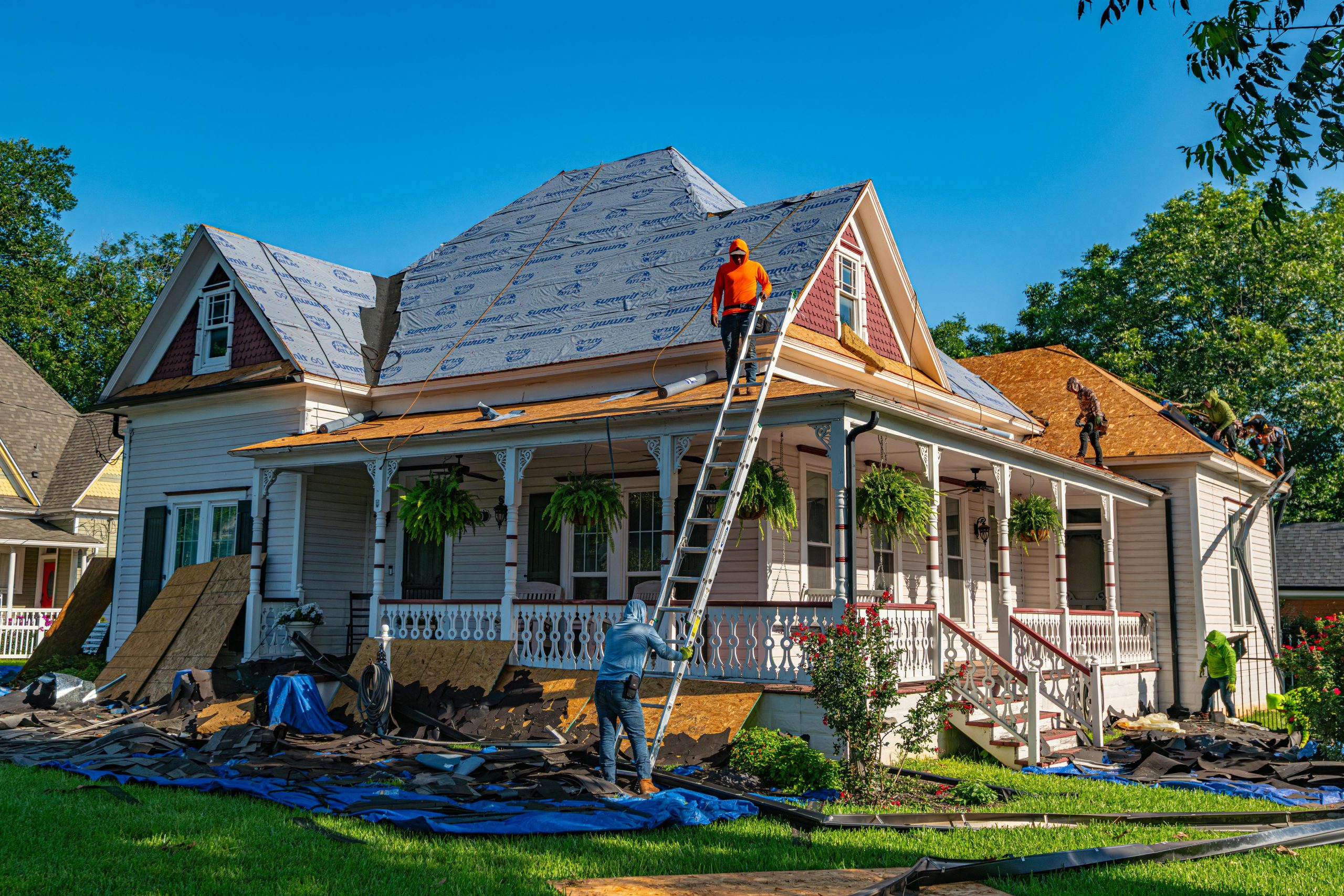


A professionally repaired roof should buy you time, security, and peace of mind. It does not buy you permission to forget the roof exists.
That distinction matters more than many homeowners realize. After major or minor Roof Repairs, the system overhead is often stronger than it was the week before, but it is not invincible. A repaired flashing detail still depends on surrounding shingles staying intact. A patched membrane still relies on drainage working properly. A replaced section of decking still performs only as well as the moisture control around it. Roofs fail less often from one dramatic event than from months of small neglect that quietly turns a solid repair into a repeat problem.
I have seen this pattern many times. A contractor fixes storm damage, the homeowner breathes easier, and then gutters go uncleared through autumn. By late winter, water backs up at the eaves, saturates the edges, and suddenly everyone is debating whether the original repair "failed." Often the repair did not fail at all. The maintenance did.
Good post-repair roof care is not complicated, but it does require attention, timing, and some restraint. Restraint matters because one of the fastest ways to shorten the life of a repaired roof is to overreact, walk on it too often, or let unqualified people poke at it. Smart maintenance is less about constant intervention and more about protecting the conditions that let the repair do its job.
What changes after a roof has been repaired
A repaired roof is rarely a perfectly uniform surface. Even when the work is excellent, and often it is, there may be subtle differences in material age, granule wear, sealant freshness, fastening patterns, or drainage behavior between the repaired area and the original field of the roof. That is Roof Repairs normal. A newer patch can shed water differently than older adjacent shingles. Fresh sealants can cure and settle over time. Metal components around chimneys, skylights, and valleys can expand and contract in slightly different ways after replacement.
That does not mean the roof is fragile. It means it deserves a short period of closer observation.
Think of it the way you would think about a car after a major repair. If the mechanic replaces suspension parts, you do not assume the car is defective. You simply pay a little more attention to tire wear, alignment feel, and unusual sounds for a while. Roofing is similar. The repair restores function, but you still want to watch how the entire system behaves through heat, rain, wind, and cold.
This is especially true if the roof repair addressed a leak. Water can travel in deceptive ways. The wet spot on a ceiling may have been several feet, or several rooms, away from the actual point of entry. After the repair, you want to verify not only that the leak stopped, but also that trapped moisture is drying as expected in insulation, sheathing, and attic air space.
Start with the paperwork, not the ladder
The first maintenance task happens indoors. Gather your repair invoice, warranty terms, photos from the contractor if they provided them, and any notes about the specific issue that was fixed. If you do not have those details in one place, make that your starting point.
You want to know exactly what was repaired. Was it a flashing problem around a vent stack? Wind-lifted shingles on the west slope? A membrane puncture caused by foot traffic? Refastened ridge caps? A section of damaged underlayment? These distinctions shape what you should monitor later.
A homeowner once told me, confidently, that his "whole roof had been fixed" after a leak repair. When I asked for the paperwork, the scope turned out to be four replacement shingles, one small flashing adjustment, and sealant around a pipe penetration. That was entirely appropriate for the issue, but his expectations were mismatched. Because he thought the entire roof had been renewed, he ignored cracked caulking on a separate dormer for nearly a year. The next leak had nothing to do with the original repair, but from his perspective it felt like the contractor had failed him.
Knowing the scope keeps your maintenance realistic. It also helps you preserve warranty coverage. Many repair warranties are limited to the worked-on area, limited by time, or contingent on normal maintenance. If another contractor makes alterations later, or if a satellite installer drives fasteners through the repaired section, the warranty may be affected.
The first month matters more than people think
The period right after Roof Repairs is when you should be observant, not intrusive. You are not trying to second-guess the crew. You are watching for signs that the roof is settling into normal performance.
If it rains in the first few weeks, check the attic and the ceilings that were previously affected. Do this during the storm if it is safe and practical, and then again after the rain stops. You are looking for fresh staining, a damp smell, beads of water on nail tips, or insulation that feels cooler and wetter than surrounding areas. In some cases, old stains can remain visible long after a leak is solved, so touch and moisture matter more than color alone.
Outside, inspect from the ground with binoculars if you have them. Look for anything obvious, such as lifted shingle tabs, displaced debris, or metal flashing that appears to be sitting proud of the roof surface. A repaired area does not need to look brand new to be functional, but it should look intentional and secure.
Avoid the common urge to climb up for a closer look unless the contractor specifically advised owner access and the roof pitch, material, and your experience make that genuinely safe. Most homeowners do more harm than good on a roof. On hot days, asphalt shingles can scuff. On brittle winter surfaces, tabs can crack. On tile and slate roofs, one careless step can create damage that costs more than the original repair.
Water management is the real maintenance job
Most post-repair roof care comes down to one principle: keep water moving off the roof quickly and predictably.
A sound repair can still be undermined if gutters overflow, downspouts clog, valleys collect leaves, or rooftop equipment diverts water where it should not go. Water that lingers has time to exploit every small weakness. Water that drains cleanly is far less likely to create trouble.
Gutters deserve more attention than they usually get. If your roof was repaired near the eaves, in a valley, or below overhanging trees, clogged gutters can send water sideways under shingles or saturate fascia boards. In freeze-thaw climates, that standing water can contribute to ice buildup, and ice is unforgiving around repaired edges.
Downspouts matter too. A downspout that discharges right at the foundation can create splashback and humidity problems that homeowners mistakenly read as roof leakage. Proper roof maintenance is tied to the whole envelope of the house. Moisture does not respect job descriptions.
If your home has a low-slope roof or a membrane section, drainage is even more critical. Ponding that lasts a day or two after rainfall is not always an emergency, but chronic standing water shortens the service life of many systems and puts repaired seams under more stress than they were meant to carry.
The places that deserve your attention every season
Most roofs do not need constant scrutiny, but a few areas earn repeat checks because they are where leaks and premature wear tend to begin. After professional repairs, these locations are worth watching with a little extra discipline.
- gutters and downspouts, especially below valleys and tree cover
- flashing at chimneys, skylights, dormers, and wall intersections
- roof penetrations such as vent pipes, exhaust vents, and mounted equipment
- attic spaces directly beneath the repaired section
- the ground below the roof, where fallen shingles, fasteners, or flashing pieces may show up first
That short list catches a surprising share of real-world problems. Many roof issues announce themselves indirectly. A loose shingle may land in the driveway before anyone notices a gap overhead. A damp attic corner may show up before a living room ceiling stain does. Good maintenance means noticing the small signal before it becomes a larger repair.
Trees, moss, and debris are not cosmetic concerns
Homeowners often separate "appearance" issues from "roof" issues. On a repaired roof, that is a mistake.
Overhanging branches scrape surfaces during wind events, drop leaves into valleys, and shade sections of the roof long enough to keep them damp. That dampness encourages moss and algae. Moss is more than a green nuisance. It holds moisture against roofing materials and can lift the edges of shingles as it thickens. Once that happens near a previously repaired area, water has an easier path into laps and fastener lines.
Debris behaves the same way on a smaller scale. Even a shallow pile of leaves in a valley can slow drainage, redirect runoff, and create a wet pocket. On a steep roof, that may only shorten shingle life. On a lower-slope section, it can become a leak source.
The right response is controlled cleaning, not aggressive scraping or pressure washing. Pressure washing strips protective granules from asphalt shingles and can force water where it does not belong. Hard brushing can damage surfaces just as effectively. If you have moss growth, ask a qualified roofing professional what treatment is appropriate for your roof type and local climate. The answer for asphalt shingles is different from the answer for cedar, tile, or metal.
Tree trimming is one of the best long-term roof protection measures, but it should be done thoughtfully. Cutting branches back several feet from the roofline often reduces abrasion and debris without exposing the house to unnecessary sun or changing drainage patterns too abruptly.
Foot traffic ruins more repaired roofs than storms do
That may sound exaggerated, but on many homes it is true. The leak gets fixed, then someone installs holiday lights, a pest control technician sets a trap near the chimney, an HVAC subcontractor services rooftop equipment, or a friend "just takes a quick look." Each person adds risk.
Different roofing materials tolerate traffic very differently. Metal can dent. Asphalt can scuff, crack, or lose granules. Tile breaks. Slate breaks expensively. Membranes puncture. Even when the surface survives, repeated stepping near repaired areas can stress seals and flashing details.
If access is necessary, try to coordinate work so one qualified contractor handles multiple tasks in a single visit. If you need a satellite dish, solar equipment, or vent modification after Roof Repairs, tell the installer where the previous work was done and ask how they will avoid compromising it. Better yet, loop in the original roofing contractor if the new work is close to the repaired section.
I have seen a neat, watertight repair around a plumbing vent undone by an unrelated trade in less than an hour. The roofer had done careful flashing work. The next technician stepped on the warmed shingles, cracked one tab, leaned a ladder against the gutter, and added sealant where none was needed. Six months later, there was a leak, and everybody blamed the weather.
Seasonal timing makes maintenance easier
Roof care is easier when you work with the calendar instead of waiting for damage to force the issue. The needs are simple, but the timing helps.
Spring is a good time to check for winter fallout. Look for displaced shingles, bent flashing, ice-related gutter strain, and wet insulation that may have gone unnoticed during cold months. If your roof repair happened in late fall or winter, spring gives you the first full chance to see how that work handled a harsh season.
Summer is the time to watch heat effects. Sealants age faster under intense sun, attic temperatures reveal ventilation weaknesses, and storms can expose any remaining vulnerability around ridges and edges. It is also when many homeowners inadvertently damage roofs through rooftop projects and foot traffic.
Autumn is the maintenance season that pays the biggest dividend. Clear gutters, remove leaf buildup, trim back problem branches, and check that downspouts discharge cleanly before freezing weather arrives. A clean drainage path in November can prevent a repair call in January.
Winter is mostly about observation from indoors and from the ground. Watch for unusual icicle formation, which can hint at heat loss or drainage issues. Monitor the attic for frost, condensation, and cold-weather leaks during thaws. Leave snow removal on the roof to professionals unless there is an immediate structural concern.
Pay attention to the attic, because the roof is only half the story
A roof can be repaired perfectly and still struggle if the attic is humid, poorly ventilated, or badly insulated. Moisture from inside the house can mimic or intensify roof problems. Warm air leaking into the attic condenses on cold surfaces. Homeowners then spot damp sheathing or stained nails and assume the roof repair failed, when the actual issue is airflow and air sealing.
After a repair, the attic becomes one of your best diagnostic spaces. On a dry day, it should smell dry. Wood should feel firm, not spongy. Insulation should not be matted down from fresh moisture. If you see dark staining, look closely before panicking. Old marks often remain. What matters is whether the area is active, spreading, soft, or accompanied by humidity and odor.
Ventilation is not a cure-all, and it is often oversold in generic advice, but balanced intake and exhaust do help roofs age more evenly. They also reduce temperature extremes that can stress materials over time. If your contractor mentioned ventilation concerns during the repair, do not treat that as a side note. In many homes, those concerns are tied directly to whether the repaired area will stay trouble-free.
Know when to call the roofer back
Some homeowners wait too long because they do not want to seem difficult. Others call too quickly over harmless cosmetic differences. Experience helps you separate the two.
You should get in touch promptly if you notice recurring moisture in the same area, visible movement in flashing, missing materials after a wind event, or water marks that are clearly fresh. The same goes for sagging gutters near the repaired section, a sudden increase in granules at downspout exits, or debris on the ground that appears to come from the roof.
Use documentation instead of emotion. Take clear photos from the ground, note the date, describe weather conditions, and reference the original repair invoice. A message that says, "We had heavy rain on Tuesday, and I found fresh moisture on the attic side below the repaired vent flashing," gets faster, more useful results than, "The roof is leaking again."
Here are situations that usually justify a call sooner rather than later:
- a repaired leak area becomes damp again during or after rain
- shingles, flashing, or membrane seams appear loose, lifted, or punctured
- gutters overflow at the repaired slope despite being recently cleaned
- attic wood near the repair shows fresh drips, shine, or softening
- another contractor needs to work on or near the repaired section
That last point is easy to overlook. If a plumber, HVAC company, electrician, solar installer, or pest control crew needs roof access near a recent repair, checking with the roofer first can prevent costly overlap problems. A brief phone call can save hundreds or thousands of dollars.
Do not let small interior issues linger
Roof maintenance after repairs is not only about the exterior shell. If the original problem caused interior staining, damaged drywall, or wet insulation, follow through on the inside. Wet insulation loses effectiveness. Stained drywall can hide continued moisture. Trapped dampness feeds mold growth and can distort your sense of whether the repair worked.
Sometimes homeowners postpone interior fixes because they want to "make sure the roof is really fixed." That is sensible for a short period, especially through one or two rain cycles. It is less sensible to leave things open-ended for six months. Once you have reasonable confidence that the roof issue is resolved, dry, replace, or repaint affected materials as needed. A clean interior baseline makes future monitoring easier. If a new stain appears on a freshly restored ceiling, you notice it immediately.
Warranties help, but maintenance protects the investment
There is a quiet misconception that a warranty and maintenance do the same job. They do not.
A repair warranty may cover defects in workmanship for a certain period. It may not cover unrelated aging, storm damage, blocked drainage, neglected tree impact, animal intrusion, or alterations by other trades. Maintenance reduces the chances that you will need to argue about those distinctions later.
This is one reason I encourage homeowners to keep a simple roof log. It does not need to be elaborate. Dates of gutter cleaning, storm checks, photos after major weather, and any communication with the roofing company are usually enough. On a property you plan to keep for years, that record becomes surprisingly valuable. On a property you may sell, it shows care and can reassure buyers who hear the words "previous roof repair" and immediately imagine hidden trouble.
The goal is not perfection, it is stability
A roof that has been professionally repaired does not need constant attention, and it certainly does not need constant tinkering. What it does need is a homeowner who understands that roof performance depends on more than the patched or replaced area.
Keep water moving. Keep debris from collecting. Keep unnecessary feet off the roof. Keep an eye on the attic. Roof Repairs Keep records. And when something does not look right, respond while it is still a manageable issue instead of a disruptive one.
The best-maintained roofs are usually not the ones owned by people who obsess over them. They belong to people who respect the system, notice changes early, and make practical decisions at the right time. After professional Roof Repairs, that approach is what turns a successful fix into years of dependable service.
Royalty Exteriors
151 NJ-10 Suite 103A
Succasunna, NJ 07876, United States
+1 973-333-7234
FAQ About Roof Repairs
Can you fix a roof leak without replacing the whole roof in Succasunna,NJ?
Often, a localized leak can be repaired without replacing the entire roof, depending on its cause and the condition of the surrounding materials. Damaged shingles, flashing, or a roof penetration may need targeted work. Royalty Exteriors offers roof repairs for leaks, storm damage, and shingle issues. An inspection is needed to determine the appropriate scope.
What is considered a minor roof leak?
A leak may be considered minor when the damage is limited to a small area and the surrounding roofing remains sound. A small ceiling stain alone does not establish the extent of the problem because water can travel before becoming visible. Have the source and any concealed damage assessed promptly.
Is it better to repair or replace a leaky roof?
The decision depends on the roof's age, overall condition, leak source, extent of damage, and history of previous repairs. A localized problem on an otherwise serviceable roof may be suitable for repair. Widespread deterioration or recurring leaks may justify considering replacement. Ask for an inspection and a written explanation of the recommended work before deciding.
Ends · CAIDENOVLI301